Welcome to the Dearborn Campus Memory Collective!
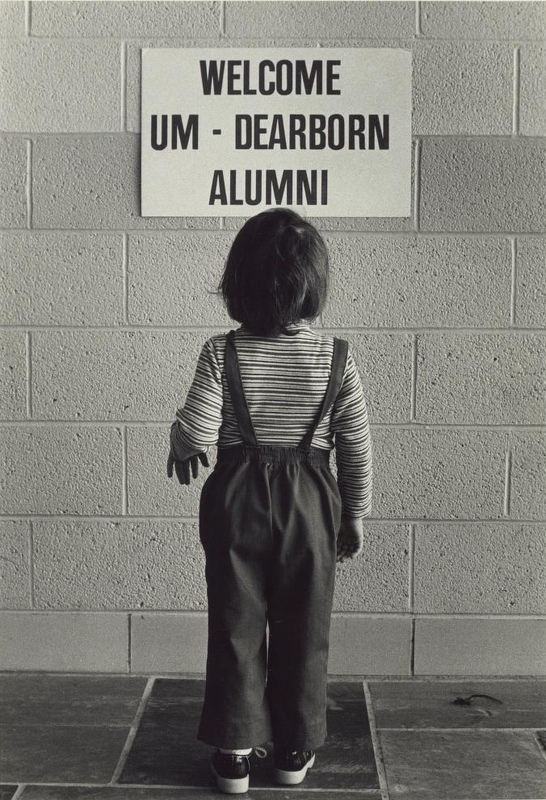
"Welcome UM-Dearborn Alumni" sign being read by child | Photograph by Philip T. Dattilo, March 18, 1978. UM-Dearborn Newsletter Photos, University of Michigan Library Digital Collections
The DCM Collective is the digital platform which showcases the work of the Inclusive History Project at the University of Michigan-Dearborn. On this platform project teams, including The 1959 Project, will share research, digital exhibits and data about the University of Michigan-Dearborn campus and community. On this platform collective you will find:
The research and the creation of these materials has been possible by faculty, staff, students, and community at UM-Dearborn and was made possible by the Inclusive History Project (IHP)-Dearborn Program and the 1959 Project. We invite you to explore our growing collection and learn what makes Dearborn such a unique and important place in the University of Michigan. This platform is being expanded and updated as more research comes to light, so we also invite you to check back in again and join the IHP mailing list for exciting updates from this project and projects across the three campuses!
Our Mission
We share the stories of students, faculty, and staff that have contributed to our campus's legacy alongside evidence that remains open for interpretation.
We investigate UM-Dearborn’s history through open-access scholarly projects grounded in the ethos of restorative and reparative storytelling.
We invite Dearborn campus community members to share their own stories, helping to build a living archive that brings together additonal memories, perspectives, and insights about the campus.
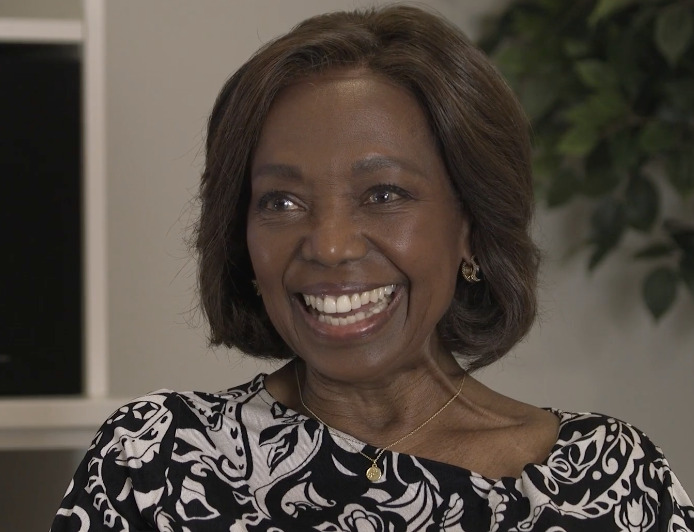
Blenda J. Wilson during her 2025 interview | Inclusive Storytelling Hub, 2025.
Featured Story
Interview of Dr. Blenda J. Wilson, Former Chancellor of UM-Dearborn (1988-1992)
Chancellor Blenda J. Wilson is the state of Michigan’s first Black woman chancellor. She was in office at UM-Dearborn from 1988–1992, during which time she oversaw campus changes despite the bleak financial situation facing Michigan at that time.
This particular interview with Chancellor Wilson was recorded in 2025 for a documentary in the works about her time at UM-Dearborn and her official portrait by prominent African American artist and University of Michigan-Ann Arbor Professor, Jon Onye Lockard. The documentary, Best in Class, was created by the Inclusive Storytelling Hub (ISH) and was premiered in February 2026.
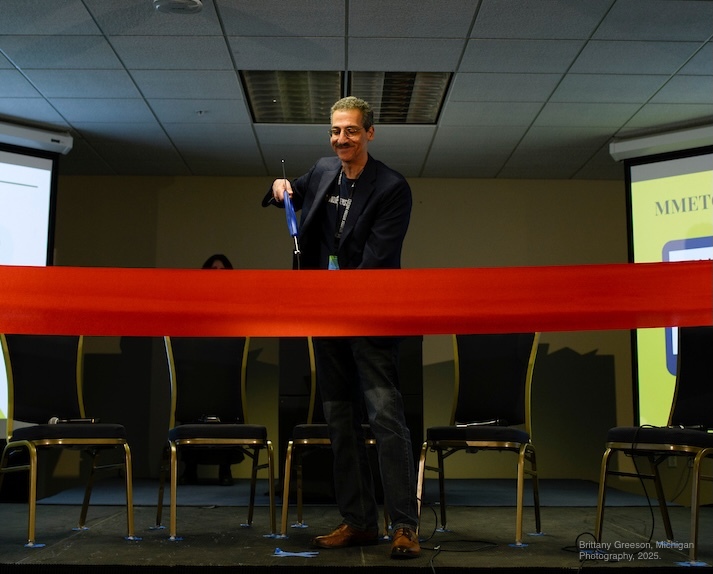
Dr. Camron, M. Amin at the IHP 2025 Summit at UM-Dearborn | Photograph by Brittany Greeson, Michigan Photography.
What is the 1959 Project?
The 1959 Project is an Inclusive History Project (IHP) project site located on the UM-Dearborn campus. As a project site, the 1959 Project serves as a hub of research activity headed by PI Camron Amin. The project seeks to examine the origins of the campus and key inflection points from the campus’s history.
The 1959 Project seeks to explore campus history through several different methodologies, including oral histories, survey and focus groups, archival research, and other methods of digital storytelling (documentary films in collaboration with the Inclusive Storytelling Hub (ISH), StoryMaps, etc). The DCM Collective will be home to many of the digital deliverables that come from the project, most notably including newly collected oral histories, digital exhibits, and written reflections of campus history.

What is the Inclusive History Project?
Dearborn Campus Memory Collective is a part of The 1959 Project, a core project of the University of Michigan’s Inclusive History Project (IHP). The IHP is a multi-year initiative in which scholars and research teams across the three campuses and Michigan Medicine of the University of Michigan reexamine the institution’s history of inclusion and exclusion. The Inclusive History Project provides the funding for The 1959 Project and all its research initiatives.
Explore the Inclusive History Project